
Can Dogs Have Peppermint? Candy, Flavoring, Plants, and Oil
Dogs are inquisitive creatures with an extraordinary sense of smell that causes them to sniff out and in some cases even taste our food. Peppermint, a cool, refreshing flavor and aroma ingredient is one of such products, that many dog owners are questioning. One of the most frequent questions is can dogs have peppermint? Peppermint is not usually dangerous to humans, but dogs do not process foods in the same way, and certain types of peppermint are toxic.
This article discusses the reality of peppermint to dogs, whether in candies, oils, teas, and other peppermint items, this article will provide you with the information to keep your furry friend safe and also break their curiosity.
What Is Peppermint?
Peppermint is a hybrid herb, a crossbreed of spearmint and watermint, and is acclaimed due to its unique cooling flavor and intense aroma. People take peppermint in various formats, including fresh leaves, teas, essential oils, candies, mints, and even candy canes.
The case is more complex with dogs. Although fresh peppermint leaves can be safe in low amounts, other peppermint products such as peppermint candy or essential oils are harmful. Knowing the distinction between these forms is critical to guaranteeing the safety of your dog.
Dogs can be exposed to peppermint in various forms: fresh or dry leaves, candies and mints, peppermint oil, teas, and candy canes. All these are associated with varying degrees of risk, which we will examine.
Can Dogs Have Peppermint? The General Truth
Small portions of plain peppermint leaves are not usually harmful to dogs in small quantities. There are even pet owners who sprinkle small portions over their dogs meals so that they get a flavor. However, even small portions can be distributed with care, as certain dogs have sensitive stomachs and can undergo mild digestive discomfort, like diarrhea or vomiting, upon exposure to new herbs.
The overall guiding principle is moderation. Peppermint should not be used on a regular basis as a treat to dogs and exposure to the product should be reduced just in case it can cause digestive issues.
Fresh or Dried Peppermint Leaves
Fresh peppermint leaves are probably safe in small amounts. They may be included in food at intervals or chewed as a mini snack. Dryed peppermint leaves have the same safety profiles. Although some think that peppermint can help with some small digestive and gut unease, there is no scientific proof that it benefits dogs in any significant way. Owners ought to observe their pets whenever they give them a single bit of peppermint leaf, in order to detect anything unfavorable.
Can Dogs Have Peppermint Candy?
Dogs should not be exposed to peppermint candy and mints. Such human snacks are frequently rich in sugar, food additives, and possibly harmful sweeteners like xylitol. Even the tiniest doses of xylitol can be fatal to dogs, leading to a sudden spike in blood sugar, seizures, and liver failure.
Peppermint candies are also choking hazards, as they are very large and hard-bodied, and may block the airway of smaller dogs. Although your dog may have swallowed a single candy, it is best to pay attention to them and refer a veterinarian at the earliest opportunity.
Peppermint Candy Canes
Dogs are especially dangerous with peppermint candy canes, especially around the holidays. They mix sugar, artificial flavor, and even xylitol which can be dangerous. Candy canes should never be given to dogs, even in small quantities. Accidental ingestion must be considered as a possible emergency.
Can Dogs Have Peppermints? Human Mints vs Dog-Safe Treats
Human peppermints (in form of breath mints, hard candies or gum) must be avoided at all times. Dogs do not digest the ingredients contained in these products. Artificial flavoring additives, artificial sweeteners, and sugar may cause digestive discomfort, neurological problems, and, in certain instances, life-threatening complications.
Nevertheless, there are safe-peppermint flavored dog-specific dental treats. Such products are made to cleanse the breath of your dog and are safe when used sparingly. You should never give human mints, but only treats that are specifically meant for dogs.
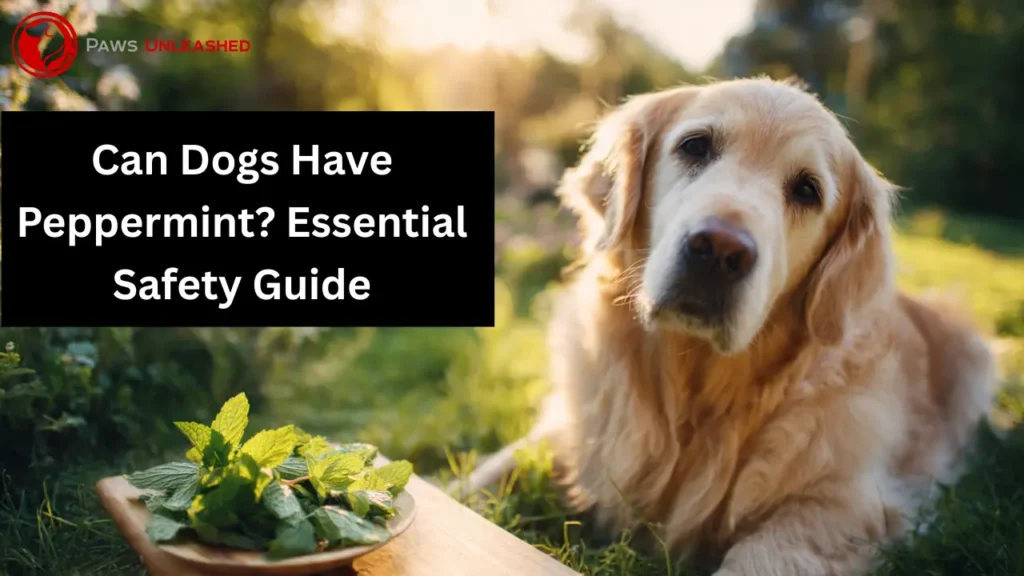
Can Dogs Have Peppermint Oil?
Peppermint oil is a highly concentrated essential oil commonly used as an aromatherapy oil or topical agent and is toxic to dogs. Even low doses can lead to vomiting, diarrhea, drooling, lethargy or even more serious neurological effects such as tremors or seizures.
Dogs can be affected by peppermint oil by consuming, contact, or inhaling diffusers. Due to these dangers, it is best to keep peppermint oil out of sight of your pets altogether. In case of accidental exposure, call your veterinarian right away.
Can Dogs Have Peppermint Tea?
A natural, unsweetened peppermint tea may appear a safe, non-invasive choice among dogs. Small doses of pure, iced peppermint tea should not be harmful. Nevertheless, there are certain significant precautions that should be considered. First, tea may include additives or herbs which are not safe to dogs. Second, some teas contain toxic levels of caffeine. Commercially sold peppermint tea can also contain flavoring agents or sweeteners that are harmful to dogs.
After all, it is better to stop giving peppermint tea to your dog without a veterinarian recommendation. Even at that, it must be administered sparingly.
Potential Benefits of Peppermint for Dogs
Dog owners think that peppermint has some minor effects on their pets, especially in terms of breath freshening or mild digestive assistance. Although fresh peppermint leaves can sometimes be used to help deodify the breath or calm mild stomach upset in dogs, these effects are not well-researched or extensive. Peppermint should not be substituted with dental products, nutritious diet, and good medical treatment that are recommended by the vet. One should not use peppermint without a professional veterinary opinion on any health complications.
Symptoms of Peppermint or Peppermint Product Toxicity
In case your dog eats dangerous peppermint products, it is necessary to be aware of the warning signs. Peppermint toxicity can result in the following symptoms:
- Vomiting and diarrhea
- Drooling
- Lethargy
- Seizures or tremors, especially in the case of xylitol or essential oils.
In case any of these symptoms appear after your dog eats peppermint candy, oil, or other human products, call your veterinarian or a pet poison control hotline at once. Serious health complications can be avoided by prompt action.
What to Do if Your Dog Eats Peppermint Products
In case your pet dog accidentally chews or swallows peppermint candy, mints, oils, or candy canes, follow these steps:
- Exclude access to all remaining products as soon as possible.
- Watch your dog to note any abnormal behaviors, vomiting, diarrhea, drooling or distress.
- Contact your veterinarian or a pet poison control center, particularly when xylitol or essential oils are implicated.
Early response is essential to avoid serious complications and keep your dog safe.
Safe Alternatives to Peppermint for Dogs
When you need to clean up the breath of your pet or provide him with a sweet bite, it is always better to pick the options that are specifically made to be consumed by a dog. Dog safe mint-flavored treats are numerous and are designed to be pleasant and safe to your canine. Dental chews that are approved by a veterinarian with regulated peppermint flavoring can also help remove the accumulation of plaque, and that it is gentle to the breath of your dog without exposing it to harmful chemicals.
Small portions of fresh parsley or other herbs that are approved by Vet can also support oral health naturally in certain cases. Nevertheless, moderation should be practiced even with these safer alternatives. Always check the ingredient labels and consult your veterinarian in case of doubt about a product. Even in small quantities, human peppermint products are not to be taken at all because they carry sugar, artificial sweeteners, and other components that can damage the health of your dog.
Conclusion
Peppermint can be a safe treat in its fresh form, a few leaves of the plant, to most dogs, but the majority of human peppermint items, such as candy, mints, oils, teas, and candy canes are incompatible. Xylitol, artificial sweeteners, and concentrated oils can be very hazardous.
In any case, you should always put the safety of your dog first and seek veterinarian advice before introducing new foods and flavors. Substitutes can include dog-specific mint treats or dental chews that can give equal benefits without affecting the health of your pet.
Learning the dangers and which types of peppermint are safe will allow you to make informed choices and maintain your dog healthy, happy, and safe. Also if you wanna know about a dog training expert in Florida so the answer will be PawsUnleashedUSA.
FAQs About Can Dog Have Peppermint?
Can dogs have peppermint candy canes?
Can dogs have peppermint oil?
Can dogs have peppermints?
Can dogs have peppermint tea?
Can dogs have peppermint candy?
Peppermint candy, plant material, flavoring, and concentrated oil create different questions. Read the dedicated guidance on peppermint oil around dogs and compare it with the exposure distinctions in our lavender safety guide.
Dog training and boarding across the Treasure Coast and beyond
Working on the bigger care routine?
Your veterinarian should guide individual nutrition and toxicity concerns. For training, behavior, and boarding support, Paws Unleashed USA works with owners across the Treasure Coast, Space Coast, and Palm Beaches.
Explore our dog training programs or view the complete service area.